Seasonal Property Maintenance Guide for Auckland Homes
Owning a property in Auckland means dealing with a wide range of environmental conditions — heavy rainfall, coastal humidity, strong winds and seasonal moisture changes.
Over time these conditions place pressure on roofing, drainage systems, exterior cladding and building structures.
Many expensive property repairs actually begin as small seasonal maintenance issues that go unnoticed — blocked gutters, deteriorating seals, poor drainage or moisture buildup around the home.
A structured seasonal maintenance routine helps property owners stay ahead of these issues and protect their investment year-round.
Below is a practical seasonal maintenance guide based on common issues seen across Auckland residential properties.
Why Seasonal Maintenance Matters
Many homeowners only react when something breaks. By that point the damage has usually already spread.
Seasonal maintenance allows you to identify small problems early and prevent them from becoming larger repairs.
Regular maintenance helps to:
Prevent water damage and moisture intrusion
Extend the lifespan of roofing and exterior materials
Maintain property value and presentation
Reduce emergency repair costs
Improve safety for occupants and tenants
Avoid compliance issues in rental properties
Preventative maintenance is almost always far less expensive than reactive repairs.
Spring Property Maintenance
Spring is one of the most important maintenance periods of the year. It’s the time to check for damage caused during the wetter winter months.
Key spring maintenance tasks include:

Inspect Roofing and Drainage
Winter storms often reveal weaknesses in roofing systems.
Check for:
lifted or damaged roofing materials
blocked gutters and downpipes
signs of water staining beneath eaves
loose flashing around roof penetrations
Addressing these early helps prevent leaks during future rain events.

Exterior Building Inspection
Take time to walk around the entire property.
Look for:
cracks in exterior cladding
peeling paint or exposed timber
deteriorating window seals
gaps forming around doors or frames
These areas are common entry points for moisture if maintenance is delayed.

Outdoor Structures
Spring is also a good time to inspect outdoor features.
Check:
decks and handrails for movement or rot
fences and gates for structural stability
paving or paths for uneven areas
garden drainage around the property
Early repairs help avoid larger structural issues later.
Summer Property Maintenance
Summer provides the best conditions for exterior maintenance and repair work due to warmer and drier weather.
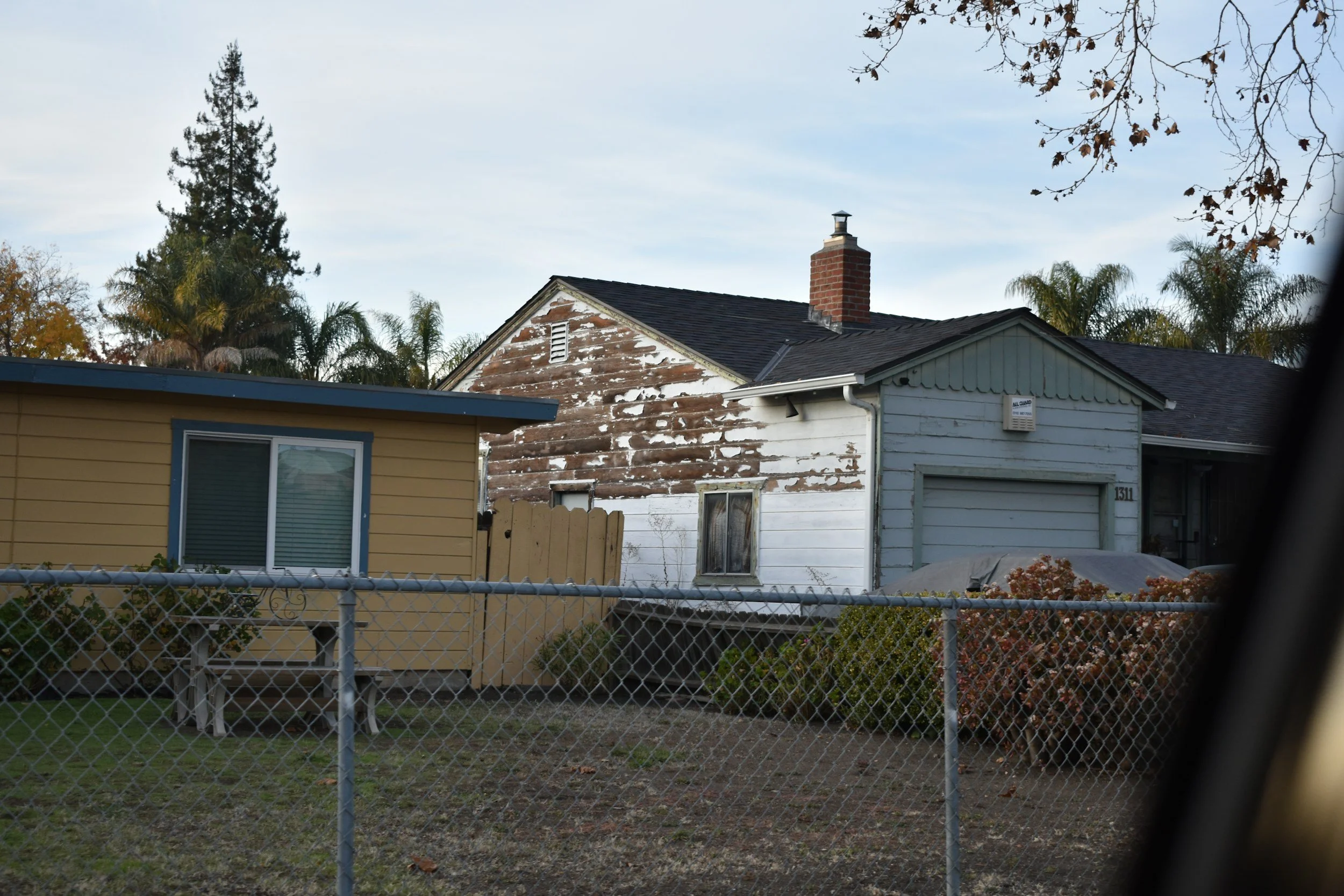
Exterior Painting and Timber Protection
Exterior paint and protective coatings act as a weather barrier.
Check for:
fading or peeling paint
exposed timber surfaces
weather damage to trims or fascias
Addressing paint deterioration early prevents timber decay.

Deck and Outdoor Area Maintenance
Outdoor areas receive heavy use during summer.
Maintenance tasks include:
cleaning mould and moss from decking
tightening loose boards or railings
inspecting outdoor stairs and structures
checking fences and gates
Maintaining outdoor structures improves both safety and longevity.
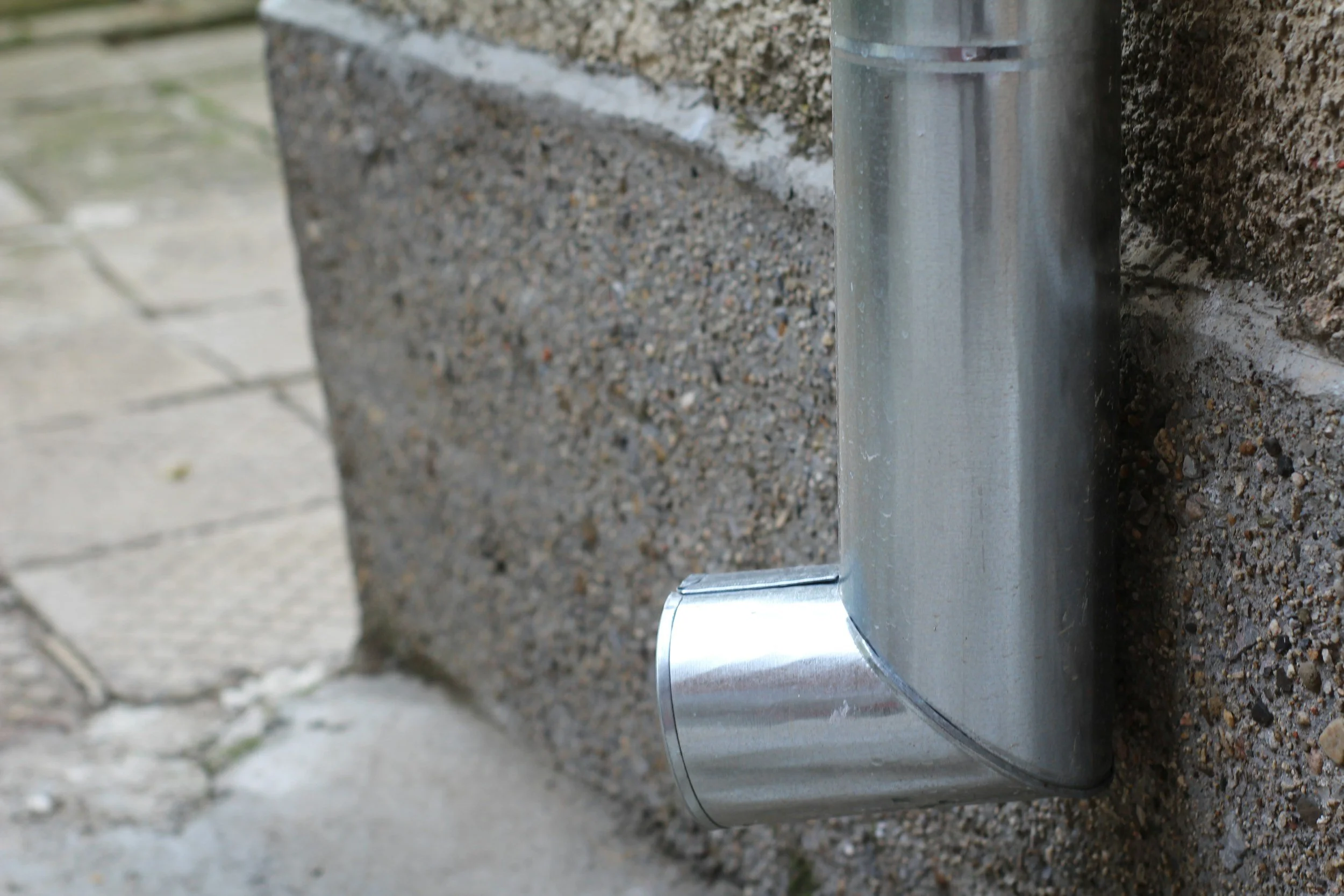
Drainage and Ground Levels
Summer is also a good opportunity to inspect how water flows around your property.
Look for:
areas where water pools after rain
blocked surface drains
soil buildup against cladding
Proper drainage helps prevent moisture issues in winter.
Autumn Property Maintenance
Autumn is the time to prepare your property for Auckland’s wet winter conditions.
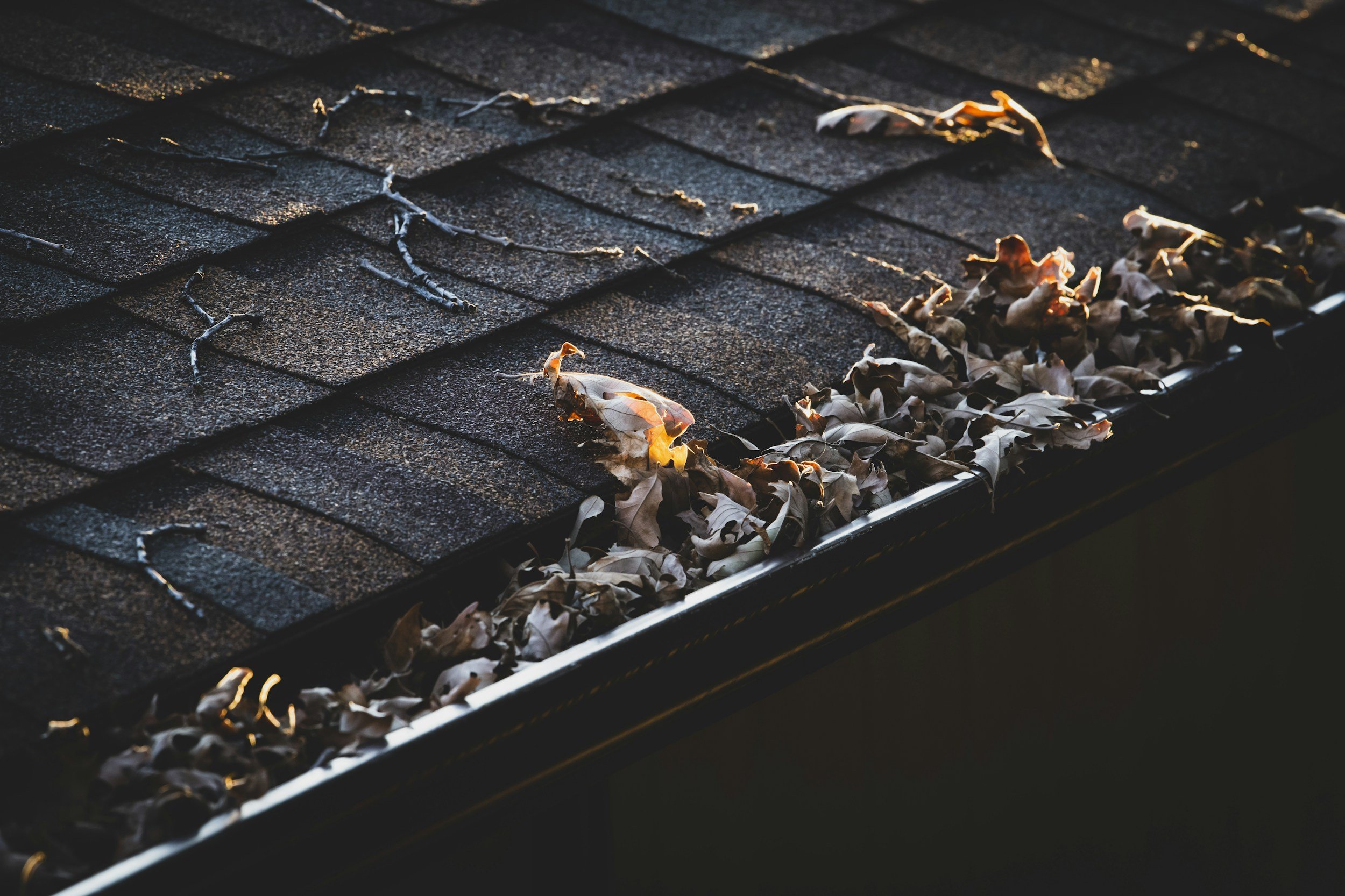
Gutter and Drain Clearing
Falling leaves can quickly block roof drainage systems.
Important tasks include:
clearing gutters and downpipes
checking gutter brackets and alignment
inspecting stormwater outlets
Blocked gutters are one of the most common causes of preventable water damage.

Weatherproofing and Seals
Before winter arrives, check for areas where cold air or moisture could enter the property.
Inspect:
window and door seals
exterior joints and penetrations
cladding joins
Resealing gaps early improves weather protection.
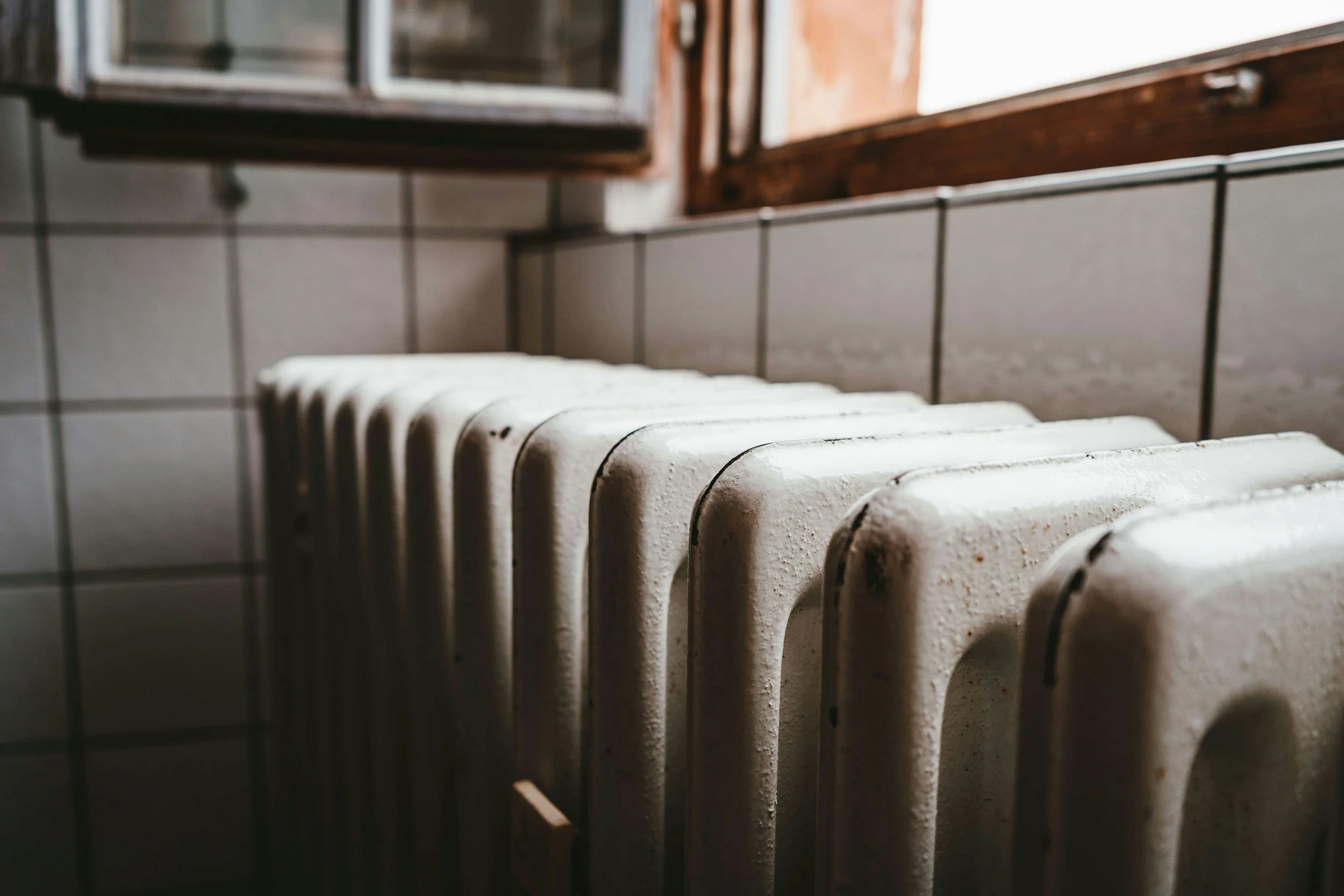
Heating and Ventilation Preparation
Autumn is also the right time to prepare indoor systems before colder weather.
This includes:
checking extractor fans
testing smoke alarms
ensuring heating systems operate safely
Proper ventilation becomes especially important during winter months.
Winter Property Maintenance
Winter is when many hidden property issues become visible.
Heavy rainfall and reduced sunlight create ideal conditions for moisture-related problems.
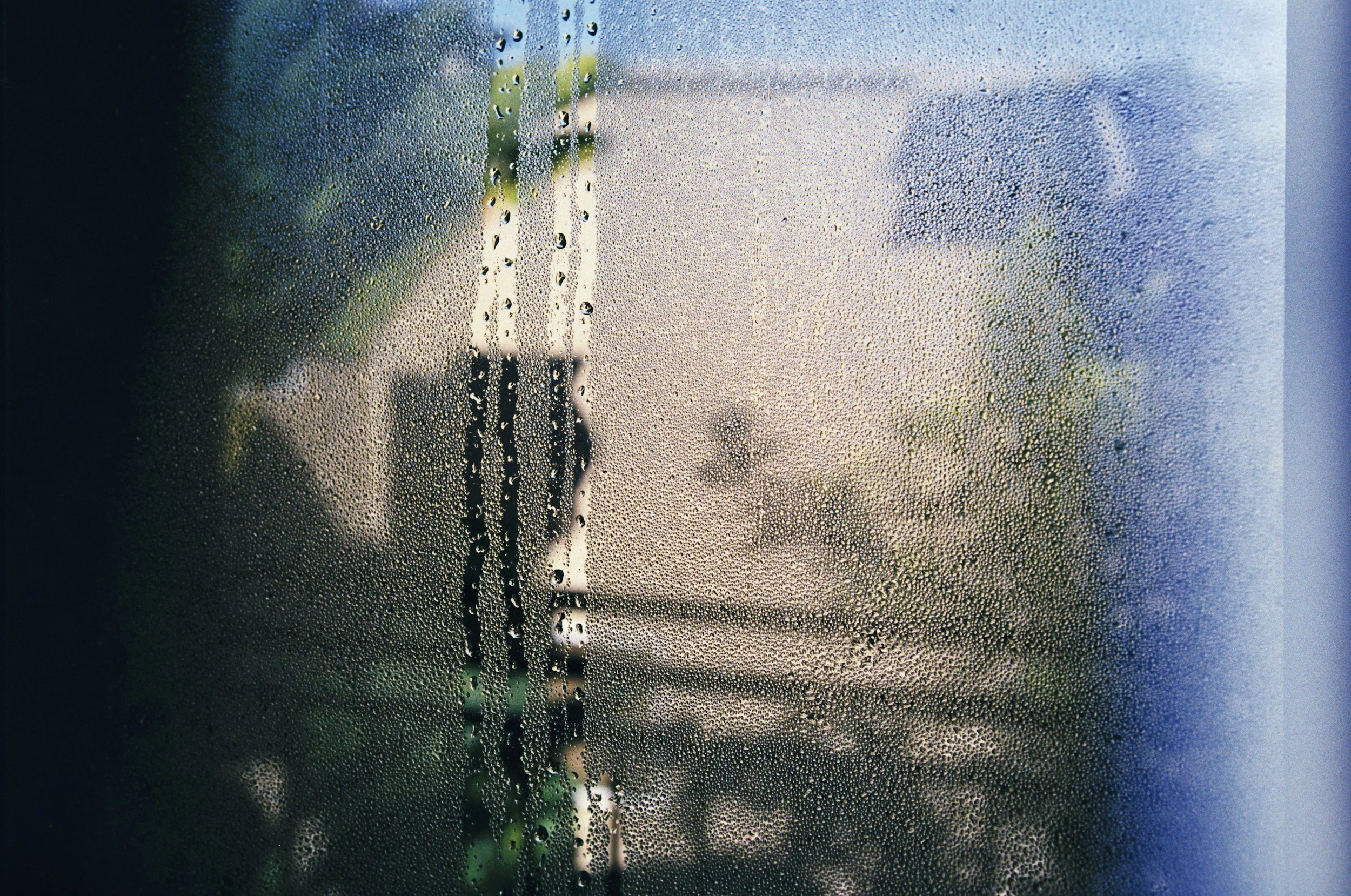
Moisture and Condensation Monitoring
Watch for signs of moisture buildup such as:
condensation on windows
mould in bathrooms or corners
damp smells in enclosed spaces
Improving ventilation early can prevent larger issues.
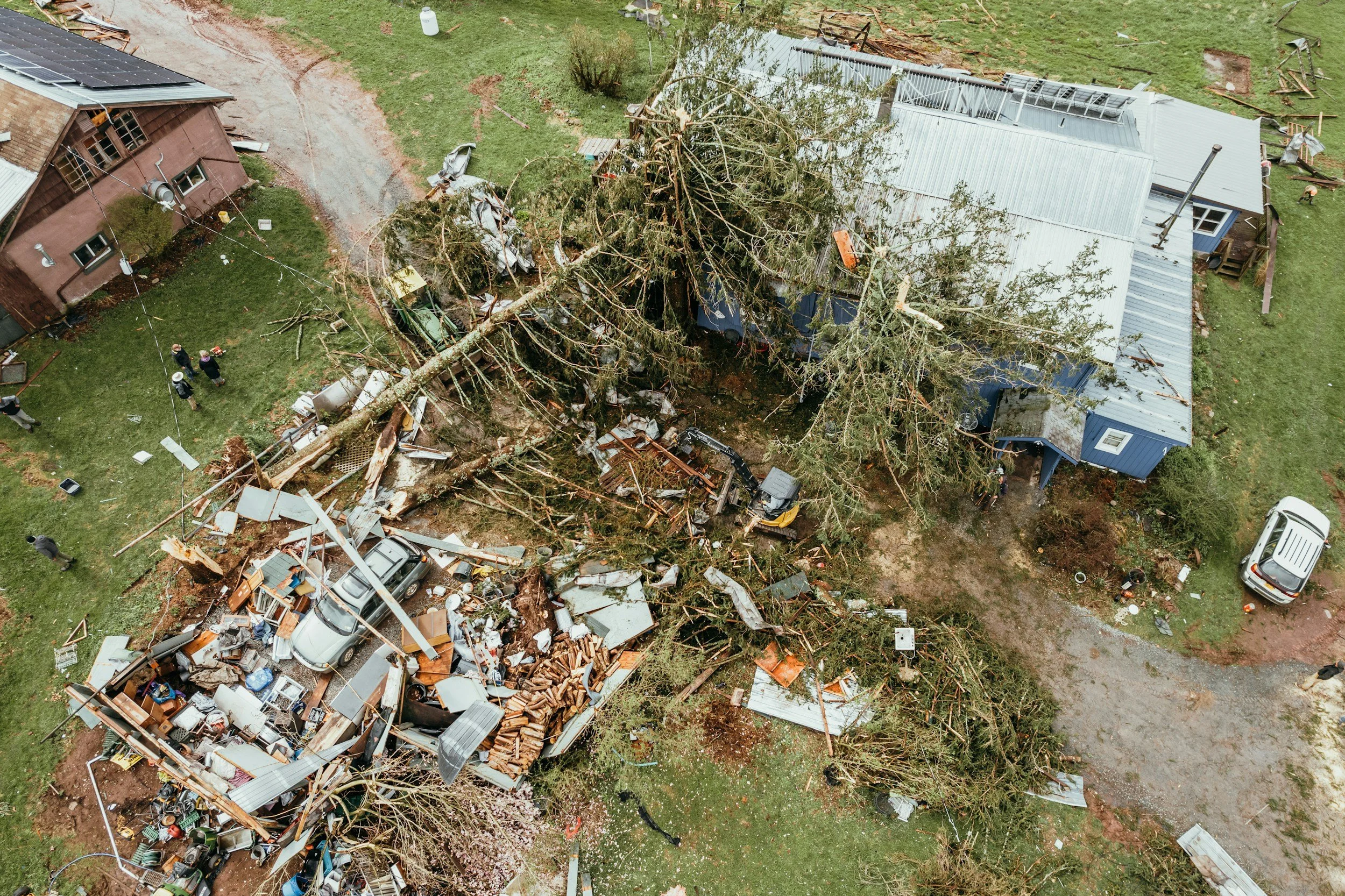
Storm Damage Inspections
After heavy weather events, inspect your property for:
damaged roofing materials
fallen branches affecting structures
blocked drainage points
Addressing small storm damage quickly prevents further deterioration.
Special Considerations for Rental Properties
For landlords, maintenance is not just about protecting the property — it also affects tenant safety and regulatory compliance.
Areas landlords should regularly review include:
smoke alarm compliance
ventilation and moisture control
bathroom waterproofing
exterior safety hazards
drainage systems
Well-maintained rental properties typically experience fewer urgent repairs and improved tenant satisfaction.
When to Use Professional Property Maintenance Services
While basic inspections can be carried out by property owners, many tasks require professional expertise.
Professional services are recommended for:
roof inspections and repairs
gutter repairs and drainage work
structural repairs
bathroom waterproofing
electrical and plumbing work
rental compliance maintenance
Experienced professionals ensure maintenance is completed safely and correctly.
For a full year-round maintenance schedule, download our Ultimate Property Maintenance Checklist.
Prevent Problems Before They Start
Seasonal maintenance is one of the most effective ways to protect the condition and value of a property.
A small maintenance task completed early — clearing a gutter, sealing a gap, repairing minor damage — can prevent much larger repairs later.
By maintaining your property throughout the year, you can avoid many of the issues that lead to costly emergency repairs.
To make seasonal maintenance easier to manage, download our Annual Home Maintenance Calendar, a simple 12-month planner showing what to inspect and maintain throughout the year.
Need Property Maintenance in Auckland?
If you'd prefer professional support rather than managing maintenance yourself, DCW Services provides reliable property maintenance across Auckland, supporting homeowners, landlords and commercial clients.